
About
BOUNDARY ISSUES are artificial and/or accidental. In the first approximation, boundaries are arbitrary and established by agreement between parts. The most manifest cases for this are nation borders, but other metaphoric boundaries function much the same: representing norms of expression and habits of reception. From a second approximation, boundaries are products of emergence, zones of incident – so is the case with rivers or ethological territories.
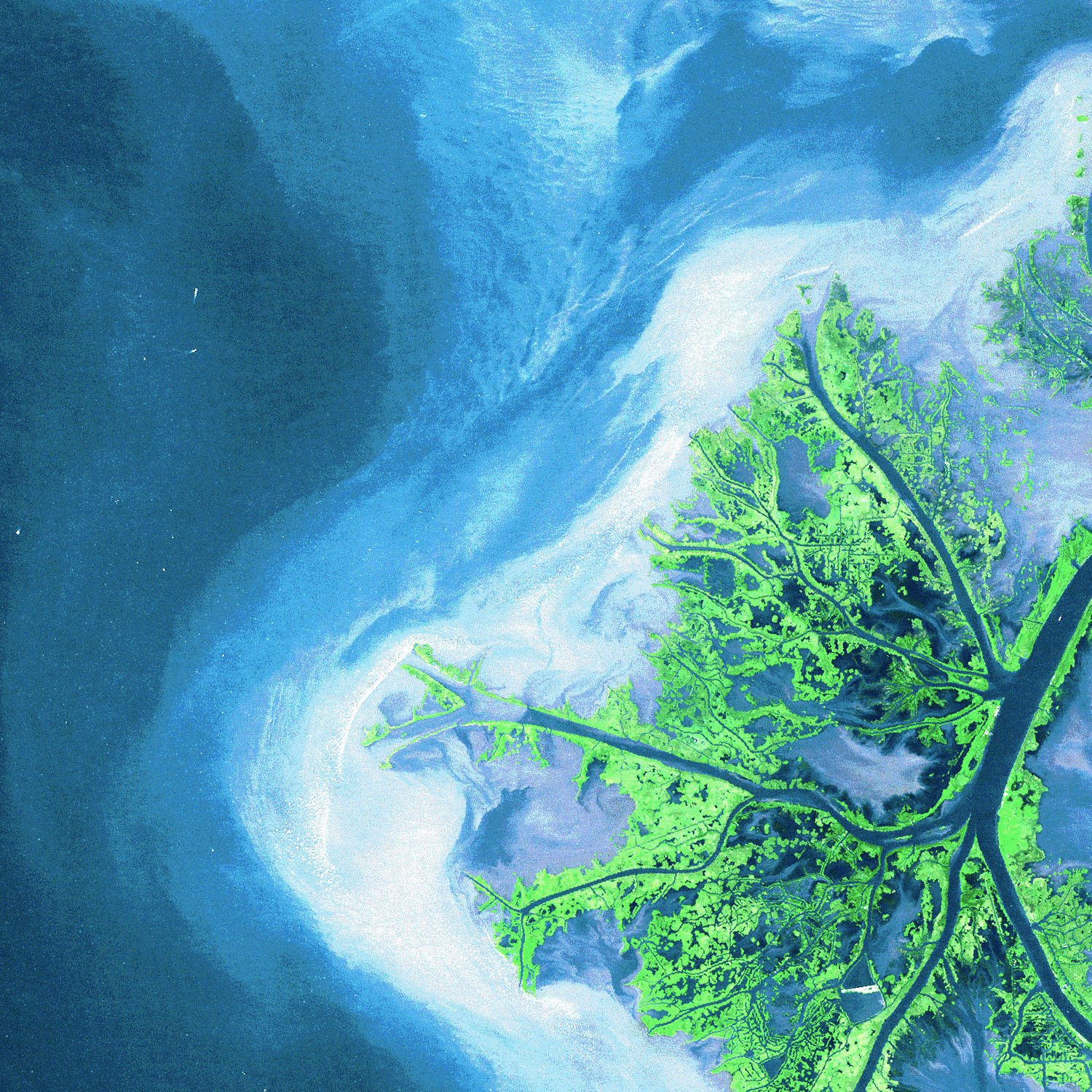
Through spatio-temporal dynamisms (erosion, alluvial accretion, migration, extinction), natural boundaries create, when clashing against the other type, war situations where identities and concepts exist following two (or more) distinct states, overlapping and disputing each other’s validity.
On either side of old and new boundaries, as shifting intersections of disorderly Venn diagrams, new basins of conflict are forming. This contested space is a no man’s land that resists colonization, as colonization means the standardization of the landscapes therein.
Soon the maps will be of no use, as territories will no longer respect the laws of great cartographers. Then there should be neither side, but a readiness to begin the world anew that suffers no boundary.
Borrowing their name from a John Ashbery poem, BOUNDARY ISSUES are sections of a block that serves as a site of coincidence. By gathering encounters into the space of the page, these sections enable free exploration – till the margins begin to give way.
Rewriting. BOUNDARY ISSUES is a platform for thinking through art – primarily art, though occasionally venturing into adjacent territories – and makes no claim to disciplinary or scientific authority. The language employed here, while striving for clarity, oscillates between intentionality and accidentality, becoming in this way abstract: this functions as an opening, inviting other interpretive possibilities that exceed authorial intention, while simultaneously acknowledging the writer’s position as a non-native English speaker. What emerges accidentally from linguistic limitation is retained intentionally – reframed as productive rather than deficient.
 Boundary Issues